

The Allure of the Casino Environment
The casino environment is designed to captivate and immerse players in a world of excitement and potential rewards. Bright lights, engaging sounds, and visually stimulating decor create an atmosphere that encourages prolonged engagement. The psychology behind this allure plays a significant role in affecting players’ decisions and emotions. Many people are drawn to the thrill of the unknown and the chance of obtaining large sums of money, which is often amplified by the sensory overload present in casinos. In today’s digital age, players might also have the opportunity to explore new online casinos canada that offer similar enticing experiences.
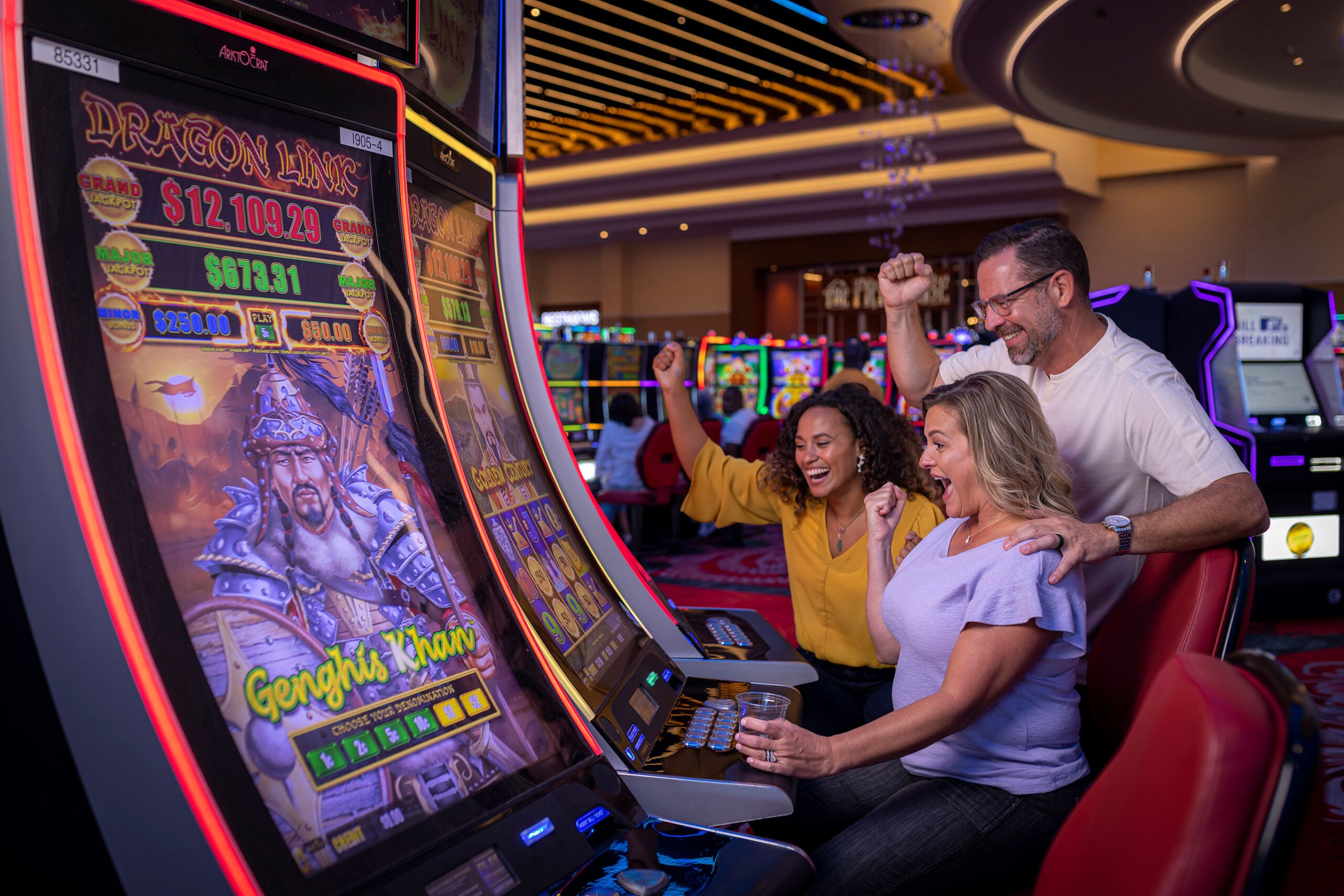
This sensory experience is not merely accidental; it is a carefully crafted strategy to keep players coming back for more. Studies have shown that the combination of sights and sounds can lead to a heightened emotional state, making individuals more likely to take risks. This phenomenon is referred to as “temporal discounting,” where immediate rewards are valued more highly than future gains. The casino exploits this psychological tendency, encouraging players to lose track of time and money while chasing their next win.
The Role of Cognitive Biases in Gambling
Cognitive biases significantly influence how players perceive their chances of winning. For instance, the illusion of control is a common bias where gamblers believe they can influence the outcome of a game through their actions, even in games of pure chance like slots or roulette. This belief can lead to overconfidence and increased wagering, as players may erroneously think they can predict outcomes or manage risks effectively.
Another cognitive bias at play is the gambler’s fallacy, where individuals believe that past outcomes can affect future results. For example, a player may think that a particular number is “due” to win after a series of losses. This misconception can lead to impulsive betting behavior and larger bets than planned, as players chase losses, ultimately impacting their overall gambling strategy.
The Impact of Emotions on Betting Decisions
Emotions play a crucial role in gambling behavior. When players experience feelings of excitement or euphoria, they may be more inclined to take risks, placing larger bets in the hopes of securing a significant win. Conversely, negative emotions, such as frustration or anxiety, can lead to impulsive decisions, including chasing losses or engaging in risky behavior. Understanding how emotions impact betting decisions can help individuals develop more effective gambling strategies.
Moreover, the emotional highs and lows associated with gambling can create an addictive cycle. Winning can produce feelings of exhilaration, while losing might lead to a desire to regain those highs, prompting players to keep gambling despite negative financial consequences. This cycle can significantly undermine a player’s financial stability and overall well-being, making it imperative to recognize and manage one’s emotional responses while gambling.
Strategies for Responsible Gambling
Given the psychological elements at play in casinos, it is vital for individuals to approach gambling responsibly. Setting strict limits on both time and money can help prevent the emotional rollercoaster associated with excessive gambling. By establishing a predetermined budget and sticking to it, players can create a more controlled environment for their gambling activities.
Additionally, it can be beneficial to take breaks during gambling sessions to reassess emotions and decision-making processes. Recognizing the signs of impulsive behavior and knowing when to walk away can be crucial in maintaining a healthy relationship with gambling. Emphasizing the importance of responsible gambling can lead to a more positive experience, minimizing potential negative impacts on mental health and finances.

Understanding the Importance of Awareness in Gaming
Awareness of the psychological factors influencing gambling is essential for anyone looking to engage in casino activities. Knowledge of cognitive biases, emotional triggers, and the casino environment can empower players to make informed decisions. By understanding these elements, individuals can better navigate their gaming experiences and avoid falling into detrimental patterns.
Ultimately, self-awareness in gambling habits helps individuals keep their gambling activities fun and enjoyable. Knowing one’s limits and recognizing when excitement turns into obsession can safeguard against the often-overlooked pitfalls of gambling. For those desiring to delve deeper into responsible gambling practices, access to valuable resources is crucial in promoting a healthier approach to gaming.